DOOH stands for digital out-of-home advertising, and if you’ve driven past a digital billboard or a screen in a gym, gas station, or shopping center lately, you’ve already seen it. It’s the modern version of a billboard, except the ad on the screen can change throughout the day instead of staying the same for weeks at a time.
How it’s different from a traditional billboard
A traditional billboard is one static image, purchased for a set period, seen by everyone who drives by regardless of who they are. DOOH runs on digital screens, which means the ad content can rotate, target specific times of day, and in some cases target specific locations or even weather conditions. A coffee shop can run a hot-drink ad on a cold morning and switch to something else by afternoon.
We’ve run a handful of DOOH campaigns. Here’s what they were actually for.
We’ve only run a few DOOH campaigns for clients so far, and every one of them had the same goal: brand awareness, not direct response. Nobody sees a digital billboard and pulls out their phone to buy something right then. That’s not what the channel is for. It’s for making sure more people in a market know your business exists, so that when they are ready to buy, your name is already familiar.
That makes DOOH a brand marketing play, not a direct marketing one. If you’ve read our brand marketing vs. direct marketing breakdown, this is exactly that idea in practice: DOOH isn’t trying to close a sale today. It’s trying to plant your name in someone’s head before they’re in the market.
Where it actually fits for a small business
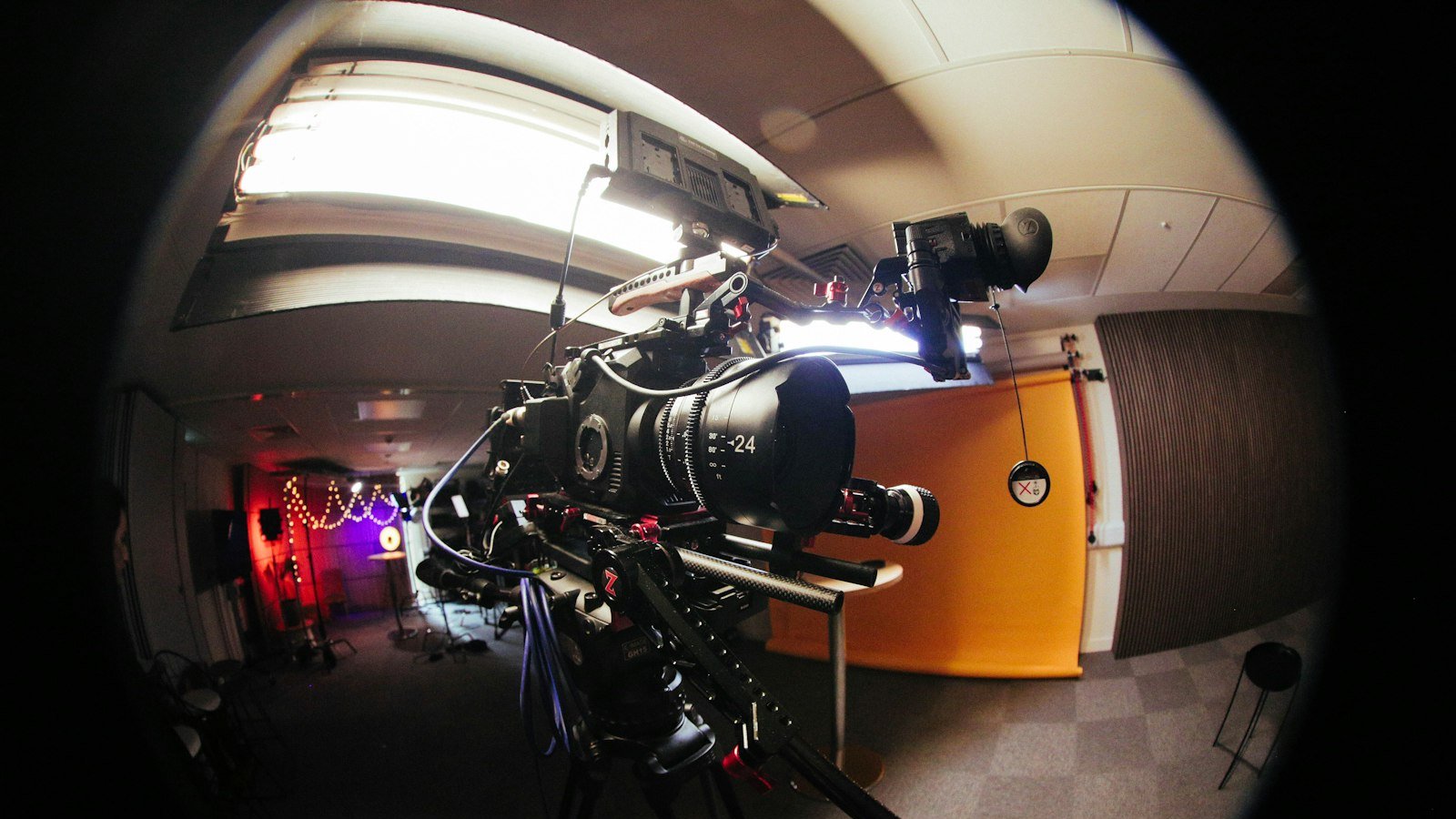
The businesses that get real value from DOOH usually aren’t running it themselves. It works best as something we handle end to end, capturing the content and running the campaign, so it’s one more channel working in the background instead of another thing eating into the client’s week. That’s the honest trade-off: DOOH takes real production and management to do right, which is part of why it’s a smaller piece of what we run compared to video and social.
What to ask before committing to it
Screen location and foot or drive-by traffic matter more than the technology itself. A screen in a high-traffic spot relevant to your actual customer is worth far more than a lower-cost placement nobody in your target audience actually sees. Ask any vendor for real traffic data on a specific screen, not just a general description of the network.
How this fits into a broader strategy
DOOH is one piece of the brand-building side of social media marketing work, alongside consistent, lifestyle-driven content. It’s not the first channel we’d recommend for a business that needs leads this month. It’s a channel for a business that already has direct marketing working and wants to start building the kind of name recognition that makes every other channel convert better over time.
If DOOH keeps coming up in conversations about your marketing, know what you’re actually buying: awareness, not a direct line to new customers this week.