Anyone can spin up a website in an afternoon now. AI will build you one for free in about ten minutes. So why do some businesses still struggle to convert visitors into customers while others turn the same traffic into sales?
The website was never the hard part. What’s on it is.
Think of your website like an old storefront window
Back before anyone shopped online, businesses put their best products behind glass. Clean lighting, careful arrangement, the best of the best on display, so that anyone walking by could picture themselves owning it.
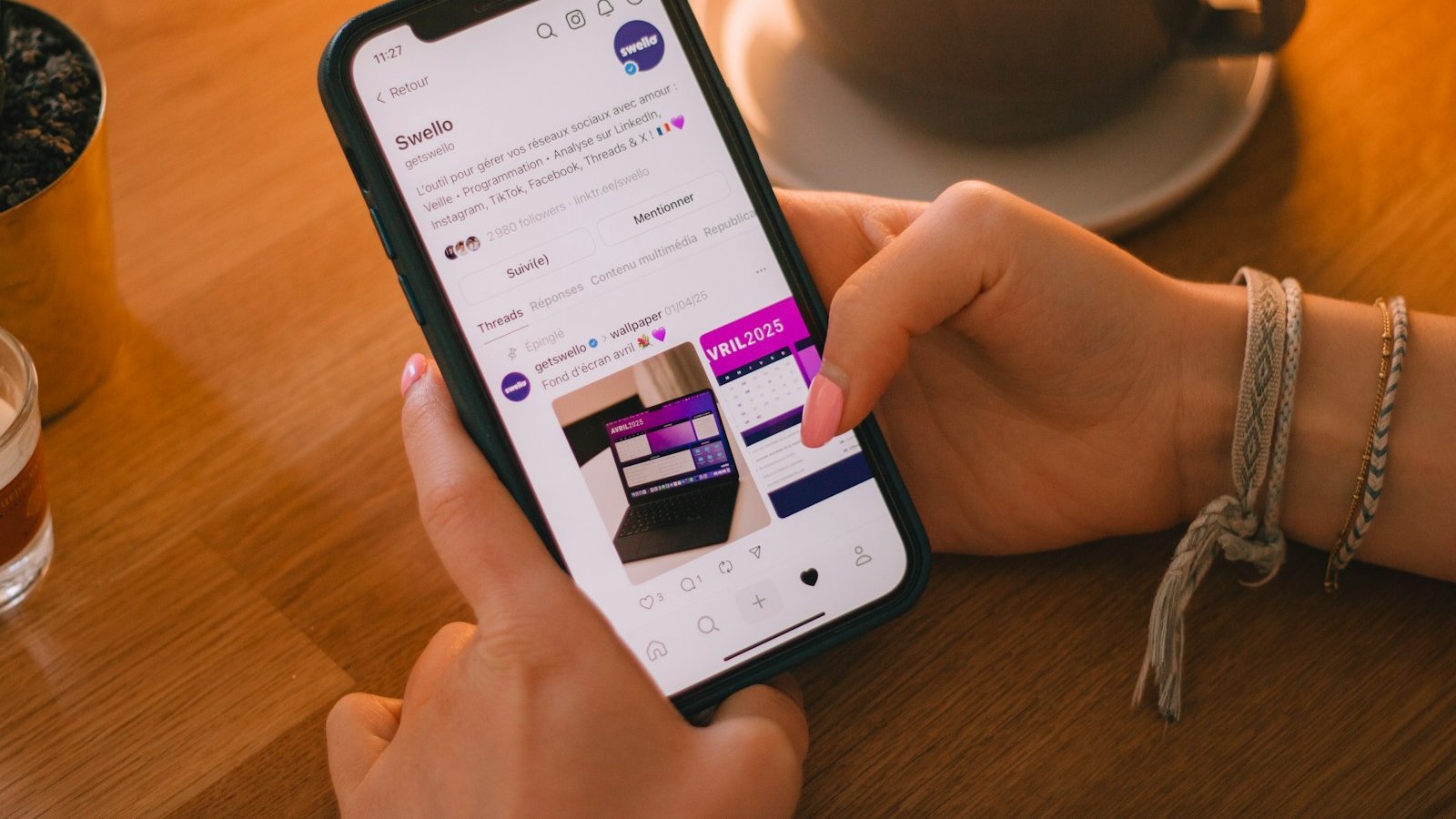
That’s exactly what your website needs to do today. People are still window shopping. They’re just doing it on a screen instead of a sidewalk. If you’re offering a high-end product or a serious service, and your storefront is a shaky iPhone clip or a stock photo that looks like everyone else’s, you’ve already lost the sale before anyone even reads your pitch.
Your media has to match the value of what you’re selling. Whether the job is worth hundreds of dollars or hundreds of thousands, it needs to be shown in its best light, best angles, and best quality. People need to see it and immediately picture themselves as the customer who already bought it.
Why AI websites all look the same
“Custom” gets used loosely in web design. Some companies mean a site built from scratch around your business. Others mean a stock template with your logo swapped in, and a free AI builder is the fastest way to end up with the second one.
Free AI website builders solve the technical problem. They can absolutely get a page live. What they can’t do is make it look like it belongs to you. Without professional media behind it, an AI-built site is just a template with your logo on it. It looks like a hundred other businesses because, functionally, it is. The layout is generic, the stock imagery is generic, and generic doesn’t build trust or urgency.
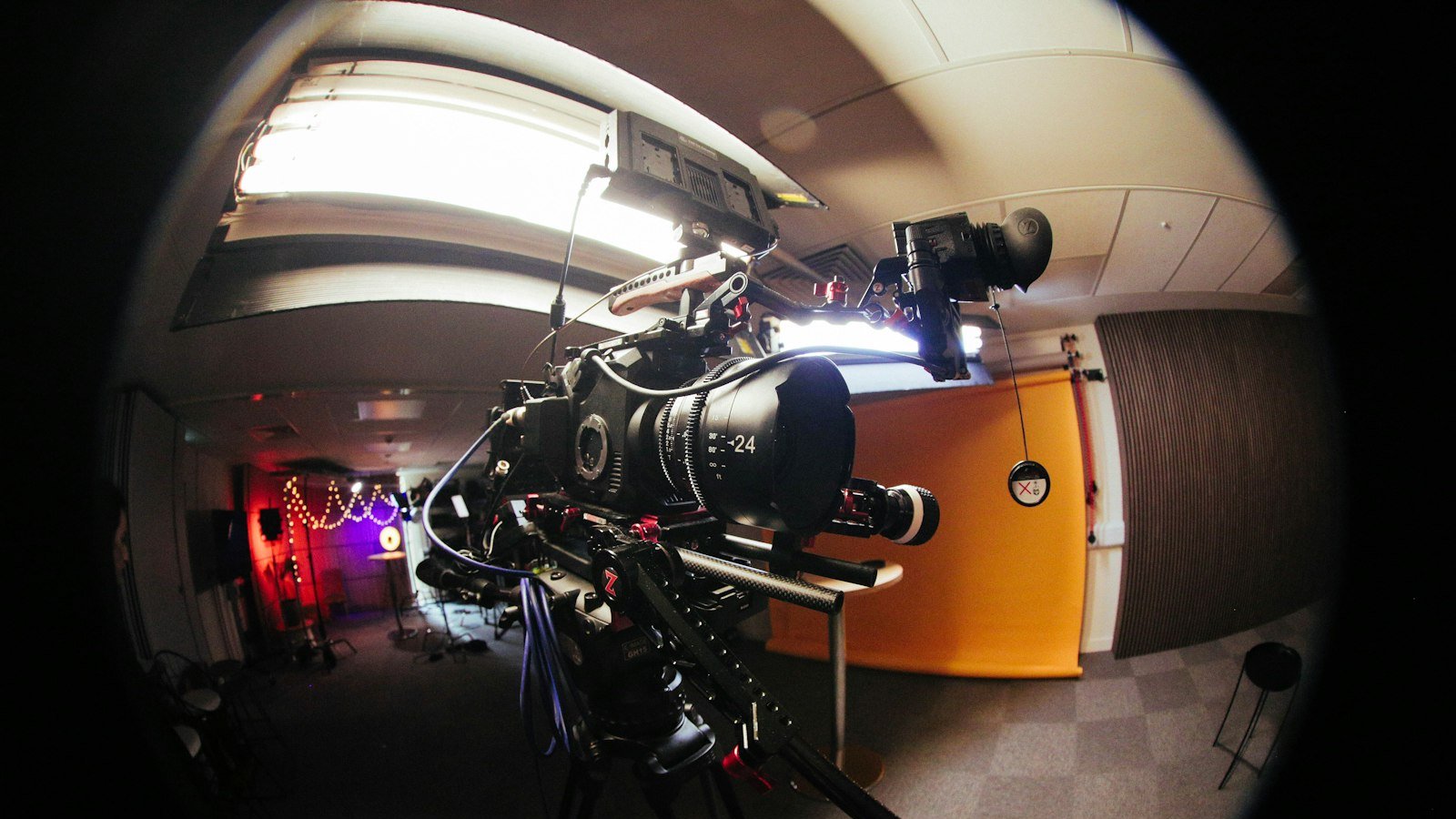
The thing that actually separates a high-end website from a generic one isn’t the code. It’s the media. Real photos and video of real work, shot with purpose, are what turn a templated page into something that feels built specifically for your business.
The technical work still has to be right
Great media on a broken foundation still fails. A site that loads slowly, buries the phone number three clicks deep, or wasn’t actually designed for the phone it’s mostly viewed on will lose people before the media even gets a chance to work. More than half of local search traffic in Utah County comes from phones, and a site “made responsive” after the fact almost always shows it: buttons too small to tap, text that needs zooming, forms that are painful to fill out on a small screen.
The same goes for SEO. A site can look beautiful and still be invisible on Google if technical SEO, page speed, and schema markup weren’t part of the build from day one. Fixing that after launch is possible, but it’s slower and more expensive than doing it right the first time.
A website isn’t a destination. It’s a path.
Having a site “up and running” isn’t the goal. The real question is what happens once someone lands on it. Why did they come here in the first place? What should they look at next? Where does that click actually take them, and what’s the real path from just browsing to ready to buy?
A website without that path is just a digital brochure. A website built with that path in mind, backed by media strong enough to hold someone’s attention and a technical foundation that doesn’t get in the way, is what actually turns visitors into customers.
Bottom line: the media is what makes your website look built for you instead of built by a template, and the technical work underneath it is what keeps that media from ever being seen. Combine those with a real path from click to customer, and that’s what makes a website worth having in the first place. It’s the same combination we build into every website design and SEO project.